
Taking part in an ayahuasca retreat can be a deeply transformative experience, especially for women seeking emotional healing, inner clarity or a spiritual reconnection. However, because of the intensity and vulnerability involved, it is essential to put physical, emotional and psychological safety first before, during and after the retreat.
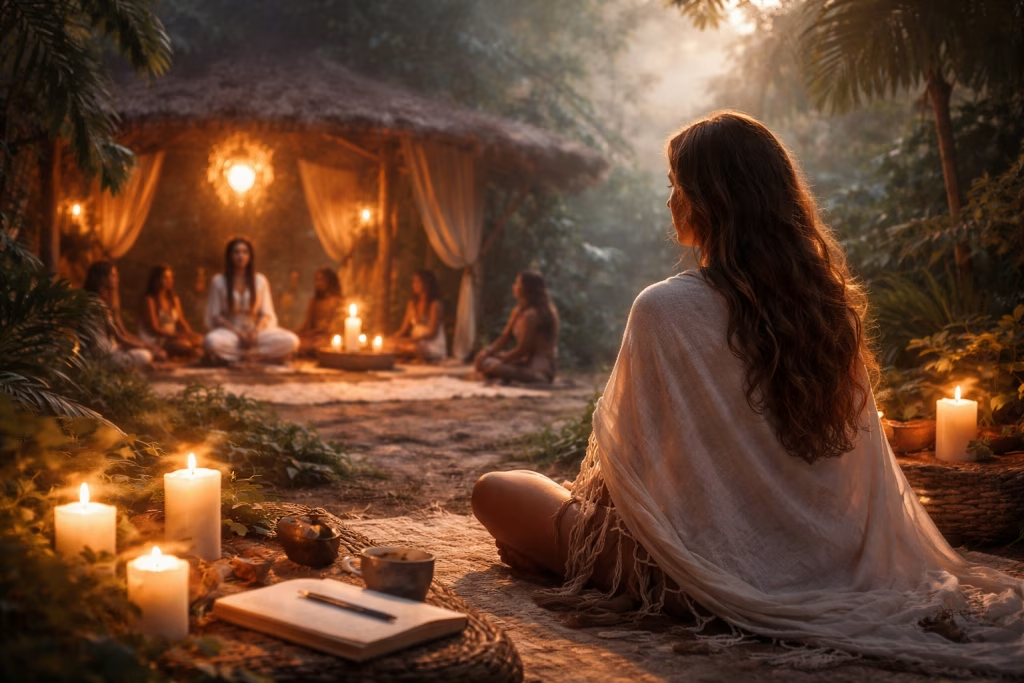
1. Choose a reputable, transparent retreat
The cornerstone of a safe experience is choosing a retreat that prioritises safety, ethics and professionalism. Well-run retreats:
- Have facilitators or shamans with verifiable experience.
- Provide clear, detailed information about the process, preparation and integration.
- Offer support both before and after the ceremonies.
Avoid any offers to take ayahuasca that:
- Offer instant booking with no health questionnaires or prior interviews.
- Give no information about the facilitation team.
- Run ceremonies with very large groups and no individual support.
2. Have your physical and mental health reviewed
Ayahuasca does not work the same for everyone. Before you confirm your attendance:
- Complete a medical and psychological questionnaire.
- Disclose all the medication you are taking (including antidepressants and other drugs).
This is especially important because certain medications or health conditions can interact dangerously with the medicine.
3. Look for retreats with a focus on, and specialised support for, women
A growing number of retreats create women-only spaces or spaces facilitated by women, which can provide a safer and more welcoming atmosphere. These settings:
- Allow you to explore gender issues and deep emotions more comfortably.
- Foster bonds of sisterhood and support among participants.
In addition, some programmes include workshops, integration circles and emotional support to support your process before and after the ceremonies.
4. Set clear boundaries and protect yourself during the ceremony
Ayahuasca ceremonies can bring about altered states of consciousness in which ordinary reality is distorted and you access intense, symbolic and deeply emotional inner experiences. For this reason:
- Make sure there are clear policies on physical contact and personal boundaries.
- Ask how any uncomfortable or abusive situation is handled (for example, who to turn to if something makes you feel unsafe).
Make sure the retreat respects your autonomy, personal space and dignity at all times.
5. Prepare physically, emotionally and spiritually
Preparation increases the chances of having a meaningful and safe experience. This includes:
- Setting clear intentions for your journey.
- Doing preparatory practices such as meditation, journaling or therapy.
- Adjusting your diet as the retreat instructs to minimise discomfort.
Conscious preparation can also help you handle memories, emotions or trauma that may surface during the ceremony.
6. Integration: the key after the ceremony
The ayahuasca experience does not end when the ceremony does. Integration — reflecting on what you went through and applying what you learned in your daily life — becomes essential for the process to unfold safely and allow lasting transformation. Look for retreats that offer:
- Group or individual integration sessions.
- Guidance on how to apply emotional or spiritual insights .
7. Warning signs: what to avoid
Before and during your research, beware of:
- Retreats that promise miracle cures or guaranteed results.
- Facilitation teams with no clear references or experience.
- Vague or non-existent safety procedures.
- Lack of medical or psychological support.
Conclusion: safety first, transformation second
Ayahuasca can offer deep healing, personal growth and self-knowledge, but safety should never be taken lightly. Choosing the right retreat, undergoing health assessments, preparing your mind and body, respecting your boundaries and having the support of responsible facilitators are the fundamental steps to a respectful, powerful and safe experience.
Always remember to do your own research and follow your intuition: your wellbeing comes first.